
 EN
EN
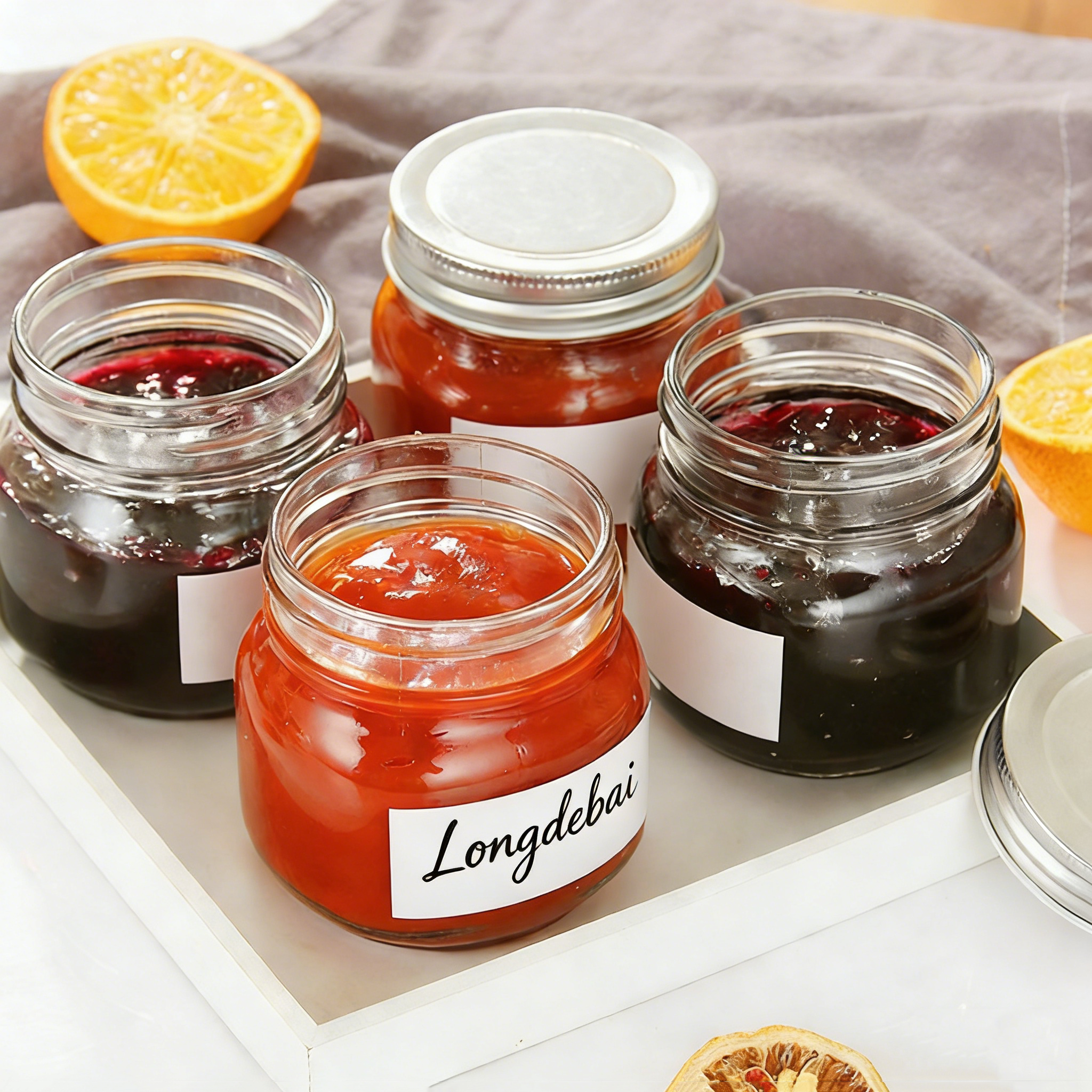
How Two-Piece Lids Create Reliable Vacuum Seals for Mason Jars
The sealing performance of a mason jar depends on the interaction between the glass jar, the sealing compound, and the two-piece lid system.
A typical canning lid consists of a flat metal lid with a food-grade sealing compound and a separate screw band. During the heating process, air inside the jar expands and escapes around the lid. As the jar cools, the contents contract and create a partial vacuum, pulling the lid downward and pressing the sealing compound against the jar rim.
The screw band helps keep the lid properly positioned during processing, while the sealing compound forms the barrier between the jar and the outside environment. This simple mechanical design allows users to check sealing performance visually: a properly sealed lid typically remains slightly concave and does not flex when pressed.
Because the sealing compound is designed for single use, food preservation guidelines generally recommend using new flat lids for each canning process. Screw bands can usually be reused when they remain clean and undamaged.
Material Design and Glass Structure Support Canning Performance
Why Properly Annealed Glass Helps Improve Thermal Stability
Glass used for food canning jars is typically made from soda-lime glass and processed through controlled annealing. During manufacturing, annealing helps reduce internal stress created during cooling, improving the jar’s ability to handle temperature changes during normal canning procedures.
Unlike ordinary decorative glass containers, canning jars are designed with:
- Consistent wall thickness
- Stable glass composition
- Suitable jar geometry
- Controlled manufacturing processes
These features help reduce the risk of cracking caused by uneven heating or cooling.
However, glass performance also depends on proper handling. Sudden temperature changes—such as placing a cold jar into boiling water or exposing a hot jar to cold surfaces—can increase thermal stress and may cause breakage.
Choosing the Right Mason Jar Design for Different Food Applications
Wide-Mouth and Regular-Mouth Jars: Different Advantages
Mason jars are available in different opening designs, with wide-mouth and regular-mouth versions being the most common.
| Feature | Wide-Mouth Jar | Regular-Mouth Jar |
|---|---|---|
| Opening design | Larger opening | Narrower opening |
| Suitable applications | Whole fruits, vegetables, pickles, chunky foods | Jams, sauces, liquids, smaller food pieces |
| Main advantage | Easier filling and cleaning | Convenient for pouring and everyday use |
Wide-mouth jars are often preferred for larger food pieces because the wider opening makes filling and removal easier. Regular-mouth jars work well for liquid or semi-liquid foods where controlled pouring is important.
The best choice depends on the food type, preparation method, and storage requirements.
Why Food-Grade Materials Matter in Mason Jar Safety
Glass, Lid Materials, and Compatibility Affect Long-Term Storage
A reliable canning system requires compatibility between all components:
- Glass jar body
- Metal lid
- Sealing compound
- Food contents
The glass must withstand the intended processing conditions, while the lid sealing material needs to maintain contact with the jar rim.
Food contents also influence material selection. Acidic foods, high-temperature processing, and extended storage periods require containers and closures designed specifically for food applications.
Using decorative glass bottles, reused commercial jars, or containers not intended for canning may create sealing and thermal performance concerns because they may not have the same design characteristics as purpose-built canning jars.
Best Practices for Using Mason Jars for Food Preservation
To improve sealing reliability and product safety:
- Use jars specifically designed for home canning.
- Inspect jars for cracks, chips, or surface damage before use.
- Follow tested processing times and temperatures.
- Use new sealing lids when recommended.
- Allow jars to cool naturally after processing.
- Store sealed jars in a clean, dry environment.
A well-designed mason jar sealing system combines glass engineering, closure technology, and proper processing methods. The effectiveness comes not from a single component, but from the complete system working together.
FAQ
Why do mason jars create vacuum seals?
Mason jars use a two-piece lid system. During heating and cooling, air escapes and the cooling process creates negative pressure that pulls the lid tightly against the jar rim.
Are mason jars made from tempered glass?
Most canning jars are made from specially processed soda-lime glass with controlled annealing rather than traditional tempered glass. The manufacturing process helps improve thermal stability.
Why should new lids be used for canning?
The sealing compound on flat lids is designed to create a reliable seal during processing. Repeated use may reduce sealing performance.
Can any glass jar be used for canning?
No. Glass containers designed specifically for canning are recommended because they are manufactured for thermal processing and sealing requirements.
What is the difference between wide-mouth and regular-mouth mason jars?
Wide-mouth jars provide easier filling and cleaning for larger foods, while regular-mouth jars are commonly used for liquids, sauces, and smaller food portions.
Table of Contents
- How Two-Piece Lids Create Reliable Vacuum Seals for Mason Jars
- Material Design and Glass Structure Support Canning Performance
- Choosing the Right Mason Jar Design for Different Food Applications
- Why Food-Grade Materials Matter in Mason Jar Safety
- Best Practices for Using Mason Jars for Food Preservation
- FAQ