
 EN
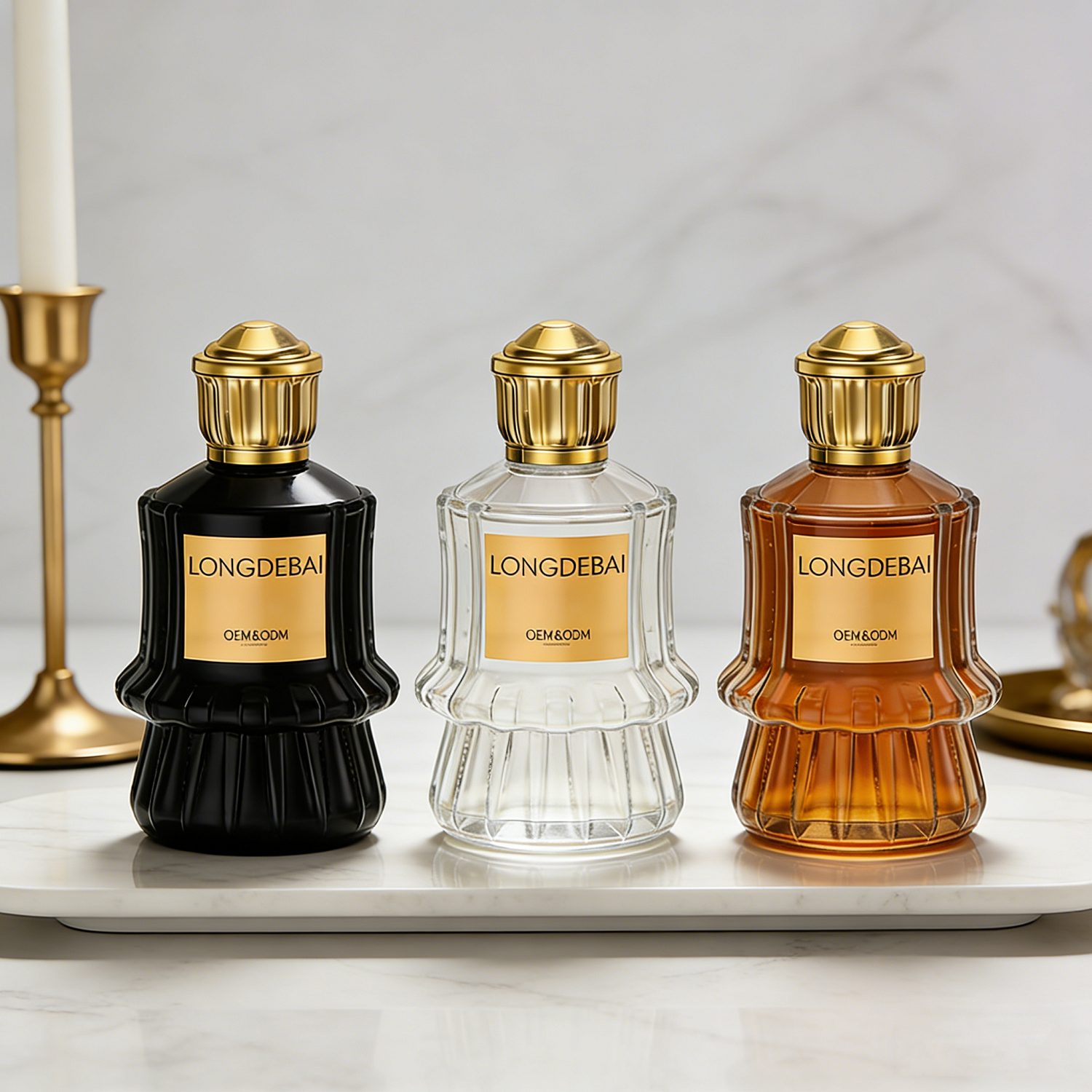
Design That Communicates Brand Identity Through Perfume Bottles
Perfume bottles serve as the first tangible expression of a fragrance’s essence—translating abstract scent into a visual and tactile brand statement. Every design decision, from silhouette to surface treatment, shapes consumer perception and emotional connection before a single note is experienced.
Shape, Material, and Finish as Signature Brand Signifiers
A perfume bottle’s shape functions as immediate visual shorthand for its brand character: sculptural, asymmetrical forms signal avant-garde creativity, while classic, rounded silhouettes evoke timeless elegance. Material deepens this narrative—fluted, heavyweight glass conveys opulence and longevity; lightweight, high-clarity glass suggests modernity and transparency. Finishes refine the message further: matte coatings communicate understated nuance, while metallic accents or textured surfaces add tactile luxury. According to a 2024 packaging perception study, 78% of consumers associate container weight and material with perceived product quality—making these sensory cues foundational to brand positioning. Before the fragrance is even applied, the bottle has already communicated heritage, innovation, or refinement—establishing a distinctive signature in a competitive landscape.
Aesthetic Consistency Across Product Lines and Touchpoints
Brands that maintain a coherent visual language across every fragrance variant and customer touchpoint build instant recognition and trust. When a signature silhouette, cap architecture, or color palette recurs—with thoughtful variation—consumers intuitively link the entire product family to the core brand identity. This consistency extends beyond primary packaging to secondary cartons, in-store displays, and digital imagery, reinforcing a unified brand world. A 2023 omnichannel retail report found that consistent packaging design increases brand recall by up to 60%. Even limited editions should reference iconic design elements, ensuring they feel like an evolution—not an exception—within the brand lineage. By aligning every detail—from the bottle’s ridge to the website’s typographic hierarchy—companies transform individual products into cohesive ambassadors that deepen emotional loyalty and simplify choice.
Sustainable Perfume Bottles: Authenticity, Compliance, and Consumer Trust
Eco-Materials, End-of-Life Pathways, and Verifiable Lifecycle Data
Credible sustainability in perfume packaging demands more than eco-material substitution—it requires system-level design thinking. While glass is often selected for its infinite recyclability, real-world circularity frequently breaks down at collection due to fused components: non-removable plastic pumps, metal collars, and UV-cured decorative coatings contaminate the glass stream, leading to downcycling or landfill disposal.
Genuine progress lies in designing for disassembly. Leading manufacturers now engineer refillable systems using mono-material closures and snap-fit mechanisms that allow consumers or recovery facilities to easily separate elements. This shifts focus from theoretical recyclability to practical recovery of the full package. To avoid greenwashing, procurement teams must prioritize verifiable lifecycle data—not marketing claims. Trust is built through third-party certifications such as Environmental Product Declarations (EPDs), which quantify cradle-to-gate impact, or Global Recycled Standard (GRS) certificates validating post-consumer recycled (PCR) content. Requesting detailed supplier disclosures on energy mix and water consumption during production translates sustainability pledges into auditable supply-chain facts—meeting both emerging regulatory expectations and consumer demand for radical transparency.
Manufacturing Partnerships: Balancing MOQ, Flexibility, and Quality Control for Perfume Bottles
MOQ Strategies for Launch Phases vs. Mature Brand Scaling
| Criteria | Launch Phase | Mature Scaling |
|---|---|---|
| Typical MOQ | 500–5,000 units from flexible partners, enabling market testing without excess inventory. | 10,000+ units, leveraging bulk pricing and stable supply chains. |
| Cost per Unit | Higher unit cost due to smaller runs, but minimized initial capital risk. | Lower unit cost, supporting competitive retail pricing and strong margins. |
| Production Flexibility | Trial runs, short lead times, and design iterations are standard. | Long‑term contracts with dedicated lines, mold amortization, and just‑in‑time delivery. |
Emerging fragrance labels benefit most from manufacturers offering scalable trial runs for custom perfume bottles, while established brands gain efficiency and consistency through consolidated, high-volume production.
Vetting Contract Manufacturers: Certifications, IP Protection, and Sample Validation
When selecting a partner for custom perfume bottles, confirm ISO 9001 (quality management) and ISO 14001 (environmental) certifications to ensure process rigor. A comprehensive non-disclosure agreement covering bottle geometry, proprietary pump designs, and decoration techniques is essential for IP protection. Always request production-grade samples—not pre-production prototypes—and conduct vacuum leak tests to verify seal integrity. A reliable manufacturer will supply batch-level quality reports and maintain a defect rate below 0.5%. Additionally, evaluate their expertise in glass finishing (e.g., frosting, screen printing) and compliance with international safety standards—including EU Cosmetics Regulation (EC) No 1223/2009 and ISO 22715—to ensure every bottle meets regulatory requirements and elevates the unboxing experience.
Regulatory and Functional Readiness: Safety, Compliance, and User Experience
Custom perfume bottles must satisfy a complex web of safety regulations and functional expectations—directly impacting brand reputation, market access, and consumer trust. Compliance begins with material safety: glass formulations, coatings, and adhesives must not leach harmful substances into the fragrance. The EU Cosmetics Regulation (EC) No 1223/2009 sets strict migration limits for packaging components, while ISO 22715 provides guidance on cosmetic packaging integrity. In the U.S., the Consumer Product Safety Commission enforces the Poison Prevention Packaging Act, requiring child-resistant closures for certain fragrance products. Regional mandates also govern VOC emissions from pumps and over-caps, as well as labeling for alcohol-based contents.
| Regulation / Standard | Region | Key Relevance to Perfume Bottles |
|---|---|---|
| EU (EC) No 1223/2009 | EU | Material safety, heavy-metal limits, labeling for cosmetic contact |
| ASTM D3475 | US, adopted globally | Child-resistant packaging classification for closures |
| ISO 22715 | International | Visual and functional packaging requirements, compatibility testing |
| US 16 CFR § 1700 | US | Performance and protocol standards for senior-friendly, child-resistant design |
| CLP Regulation (EC) No 1272/2008 | EU | Hazard communication, combustible liquid warnings, tactile danger symbols |
Functional readiness is equally critical. A perfume bottle is a complete dispensing system—the sprayer, dip tube, crimp, and over-cap must work together reliably over the product’s shelf life. First-article inspections (FAI) verify that the pump delivers a consistent, fine mist with high product evacuation and zero leakage—even after repeated actuation cycles simulating daily use. Ergonomic factors influence perception too: the actuator finger pad must offer comfortable depression force, and the bottle silhouette must feel secure in hand. Testing for mechanical durability, drop resistance, and seal integrity under varying temperatures and pressures reduces returns and protects the fragrance from contamination. Rigorous functional validation ensures the sensory promise of the scent is matched—every time—by a safe, seamless, and satisfying user experience.
FAQ
What role do perfume bottle materials play in brand identity?
Materials like heavy, fluted glass communicate opulence and longevity, while lightweight, high-clarity glass suggests modernity and transparency, contributing to consumer perceptions of quality.
Why is sustainability important for perfume bottles?
Sustainability ensures environmental compliance and builds consumer trust. Using recyclable materials and designing for disassembly are key strategies for sustainable packaging solutions.
What factors should be considered when choosing a manufacturer for custom perfume bottles?
Key factors include quality certifications (e.g., ISO 9001, ISO 14001), IP protection through non-disclosure agreements, and validated production samples to ensure quality control.
How can brands achieve consistency across product lines?
By maintaining a coherent visual language across packaging, in-store displays, and digital imagery, along with referencing iconic design elements in all variants—including limited editions.
What regulations must be adhered to for custom perfume bottles?
Regulations such as EU (EC) No 1223/2009, ASTM D3475, and ISO 22715 govern material safety, packaging requirements, and functional aspects like child-resistant closures.
Table of Contents
- Design That Communicates Brand Identity Through Perfume Bottles
- Sustainable Perfume Bottles: Authenticity, Compliance, and Consumer Trust
- Manufacturing Partnerships: Balancing MOQ, Flexibility, and Quality Control for Perfume Bottles
- Regulatory and Functional Readiness: Safety, Compliance, and User Experience
-
FAQ
- What role do perfume bottle materials play in brand identity?
- Why is sustainability important for perfume bottles?
- What factors should be considered when choosing a manufacturer for custom perfume bottles?
- How can brands achieve consistency across product lines?
- What regulations must be adhered to for custom perfume bottles?