
 EN
EN
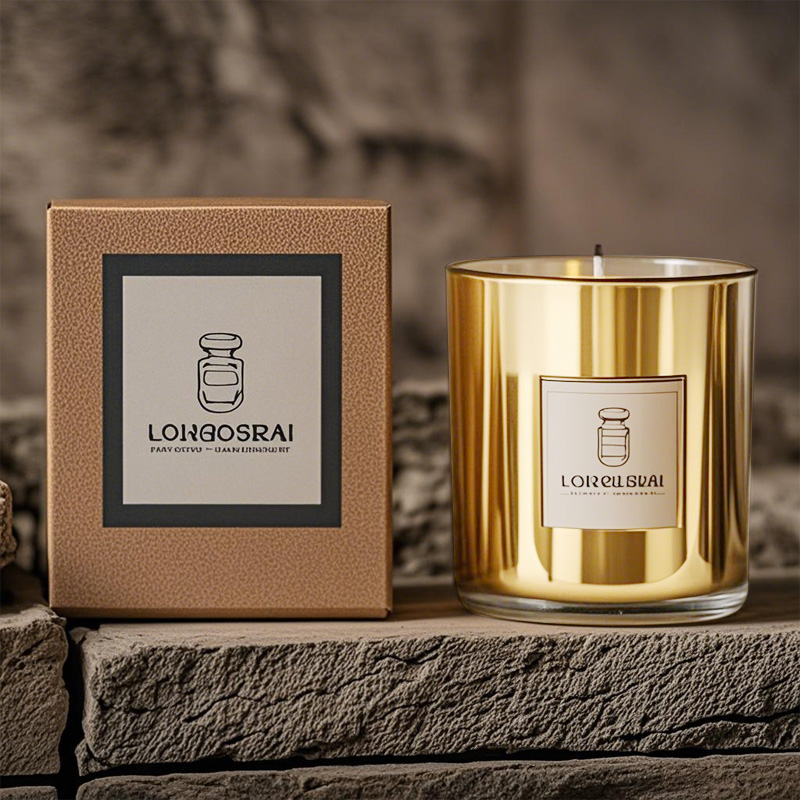
Come lo stress termico influisce sulla durata dei barattoli per candele
I barattoli in vetro per candele subiscono ripetuti cicli di riscaldamento e raffreddamento durante l’uso. Quando una candela brucia, il calore della fiamma si trasferisce attraverso la pozza di cera e nel contenitore di vetro. Se il calore si distribuisce in modo non uniforme, possono generarsi differenze di temperatura tra la superficie interna più calda e le aree esterne più fredde.
La sezione inferiore di un barattolo per candele è particolarmente importante perché sostiene l’intero contenitore ed è soggetta a un’esposizione continua al calore. Una base sottile o progettata in modo inadeguato può subire una maggiore sollecitazione termica, soprattutto se combinata con fattori quali bruschi cambiamenti di temperatura, riscaldamento non uniforme o difetti superficiali preesistenti.
Per questo motivo, i produttori professionali di barattoli per candele prestano attenzione non solo allo spessore del vetro, ma anche alla progettazione strutturale complessiva, alla qualità dei materiali e ai corretti processi di ricottura per migliorare la stabilità termica.
Perché le basi rinforzate dei barattoli per candele migliorano la resistenza al calore
Una base in vetro più spessa può fornire una maggiore massa termica, consentendo al calore di diffondersi più gradualmente nell’intero contenitore. Ciò contribuisce a ridurre i punti caldi localizzati e migliora la resistenza a cicli ripetuti di riscaldamento.
Tuttavia, lo spessore della base da solo non determina la sicurezza del barattolo per candele. Altri fattori influenzano anch’essi le prestazioni, tra cui:
- Composizione del vetro
- Forma e diametro del contenitore
- Qualità del ricottura
- Dimensione della candela e scelta dello stoppino
- Tempo di combustione consigliato
Per candele più grandi o prodotti progettati per una durata di combustione prolungata, i produttori utilizzano spesso strutture inferiori rinforzate per migliorare stabilità e durabilità.
Un vaso per candele ben progettato bilancia spessore, peso, aspetto e prestazioni termiche, garantendo che il contenitore rimanga affidabile durante l’uso normale della candela.
Il ruolo della qualità del vetro e del processo di produzione
Anche un vaso per candele più spesso richiede un controllo adeguato durante la produzione. Durante la formatura del vetro, tensioni interne possono rimanere nel materiale se il processo di ricottura non è gestito correttamente.
La ricottura consente alla struttura del vetro di raffreddarsi gradualmente e contribuisce a ridurre le tensioni interne che potrebbero causare crepe.
Una produzione affidabile di vasi per candele include tipicamente:
- Temperature controllate durante la formatura del vetro
- Procedure adeguate di ricottura
- Ispezione per difetti superficiali
- Controllo dimensionale costante
Questi passaggi produttivi contribuiscono a migliorare la resistenza ai cicli termici e alla manipolazione quotidiana.
Per i prodotti premium di candele, i produttori combinano spesso strutture in vetro rinforzato con ispezioni qualitative rigorose per soddisfare le aspettative dei clienti in termini di sicurezza e durata.
Considerazioni sulla sicurezza per i contenitori in vetro per candele
La sicurezza delle candele dipende dall’intero sistema prodotto, comprese la formulazione della cera, la progettazione dello stoppino, le istruzioni per l’uso e le prestazioni del contenitore.
Gli standard di sicurezza, come le linee guida per i test sulle candele pubblicate da ASTM International, si concentrano su fattori quali il comportamento della fiamma, la stabilità e le prestazioni di combustione sicura, piuttosto che definire un requisito universale per lo spessore del vetro.
Per i marchi e i fornitori di candele, la scelta di un produttore affidabile di contenitori in vetro è essenziale. Un fornitore professionale deve garantire qualità produttiva costante, materiali vetrai idonei e design di contenitori adeguati all’applicazione specifica della candela.
Scelta del design giusto per i barattoli per candele per garantire affidabilità a lungo termine
Nella selezione dei barattoli in vetro per candele, gli acquirenti devono valutare più che l’aspetto estetico. Tra le considerazioni importanti rientrano:
- Struttura del fondo e delle pareti
- Qualità del vetro
- Resistenza termica
- Coerenza nella produzione
- Compatibilità con le dimensioni della candela e con il carico di fragranza
Un barattolo per candele progettato correttamente garantisce un equilibrio tra estetica, durata e sicurezza nell’uso.
Per i produttori di candele profumate, candele di lusso o candele di grandi dimensioni, collaborare con un fornitore esperto di vetro aiuta a garantire che il design del contenitore soddisfi sia i requisiti funzionali sia quelli di mercato.
Domande frequenti
Perché i barattoli per candele necessitano di un fondo rinforzato?
Un fondo rinforzato contribuisce a distribuire il calore in modo più uniforme e migliora la resistenza allo stress termico durante accensioni ripetute della candela.
Un vetro più spesso è sempre più sicuro per i contenitori per candele?
Non necessariamente. La sicurezza dipende da diversi fattori, tra cui la qualità del vetro, il processo di ricottura, il design, le dimensioni della candela e l’uso corretto.
Cosa causa le crepe nei barattoli per candele durante la combustione?
Le crepe possono derivare da un riscaldamento non uniforme, da bruschi cambiamenti di temperatura, da difetti di fabbricazione o da eccessivo stress termico.
Il ricottura del vetro influisce sulla durata dei barattoli per candele?
Sì. Una corretta ricottura riduce le tensioni interne nel vetro e può migliorare la resistenza ai cicli termici.
Cosa dovrebbero considerare i marchi di candele nella scelta dei barattoli di vetro?
I marchi dovrebbero considerare il design del contenitore, la qualità del vetro, la coerenza produttiva, le prestazioni termiche e la compatibilità con il prodotto candela.
Indice dei contenuti
- Come lo stress termico influisce sulla durata dei barattoli per candele
- Perché le basi rinforzate dei barattoli per candele migliorano la resistenza al calore
- Il ruolo della qualità del vetro e del processo di produzione
- Considerazioni sulla sicurezza per i contenitori in vetro per candele
- Scelta del design giusto per i barattoli per candele per garantire affidabilità a lungo termine
-
Domande frequenti
- Perché i barattoli per candele necessitano di un fondo rinforzato?
- Un vetro più spesso è sempre più sicuro per i contenitori per candele?
- Cosa causa le crepe nei barattoli per candele durante la combustione?
- Il ricottura del vetro influisce sulla durata dei barattoli per candele?
- Cosa dovrebbero considerare i marchi di candele nella scelta dei barattoli di vetro?