
 EN
EN
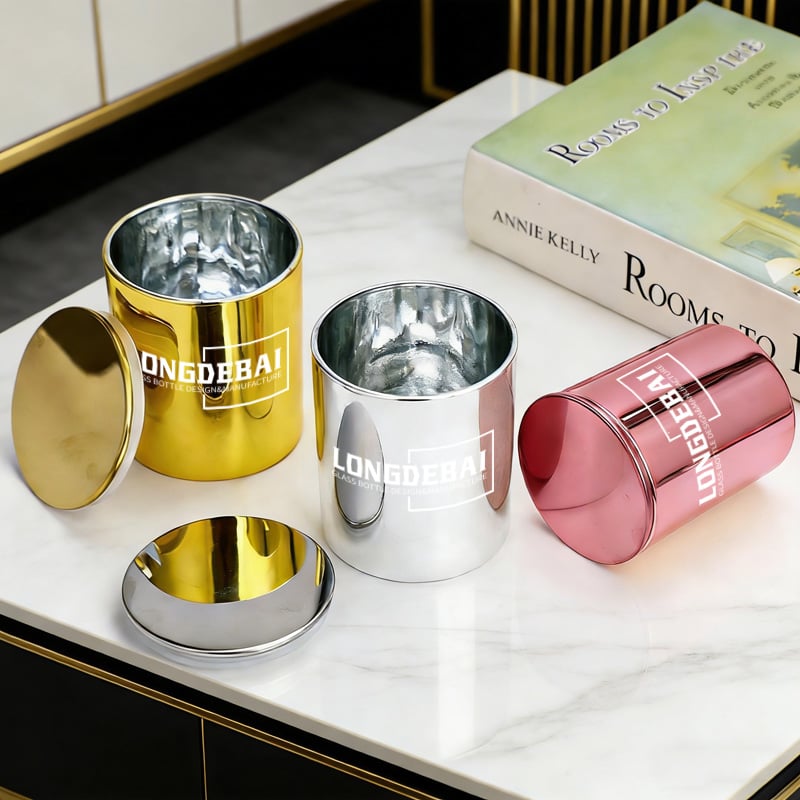
Why Material Type Determines the Right Cleaning Method for Candle Vessels
Reusable candle vessels require different cleaning approaches depending on their material properties. Glass, ceramic, and metal containers each respond differently to heat, chemicals, and mechanical cleaning.
Glass candle vessels are generally non-porous and resistant to many cleaning solutions, making them suitable for methods such as gentle soaking or controlled wax removal. However, sudden temperature changes can create thermal stress, especially in thinner glass containers. Allowing the vessel to adjust gradually to temperature changes helps reduce the risk of cracking.
Ceramic candle vessels require more careful handling because their surfaces vary. Glazed ceramics usually provide better resistance to moisture and stains, while unglazed ceramics may absorb wax residue and cleaning agents. Gentle cleaning methods are usually preferred to protect the surface.
Metal candle containers are durable but may include protective coatings or liners. Excessive scrubbing or harsh chemicals can damage these layers and affect the appearance or long-term usability of the container.
Choosing a cleaning method based on the vessel material helps preserve the appearance, durability, and reuse value of candle containers.
Removing Candle Wax with the Freezer Method
The freezer method is one of the safest ways to remove leftover wax from many candle vessels because it avoids direct heat exposure.
When wax becomes cold, it contracts slightly and may separate from the container wall, making removal easier.
A basic process includes:
- Remove any loose debris from the candle vessel.
- Place the empty container in a freezer until the wax becomes firm.
- Remove the hardened wax carefully.
- Use a silicone or wooden tool to loosen remaining pieces if needed.
- Wipe away residue with a soft cloth or paper towel.
This method works particularly well for glass candle jars because it minimizes thermal stress and reduces the need for strong cleaning chemicals.
For containers with thick wax layers or larger sizes, additional freezing time may be required to allow the wax to fully harden.
Controlled Heat Methods for Wax Removal
Heat-based cleaning can also be effective when performed carefully.
Instead of pouring boiling water directly into a cold candle vessel, a gradual warming method is generally safer. Placing the container in warm water allows the glass or ceramic material to heat more evenly, reducing the chance of sudden temperature changes.
A warm water bath can soften remaining wax, allowing it to be removed more easily with a soft tool or cloth.
When using heat:
- Avoid direct flames or uneven heating.
- Do not expose cold glass containers to sudden high temperatures.
- Allow the vessel to cool naturally after cleaning.
For premium glass candle vessels, controlled temperature methods help maintain clarity and structural quality.
Removing Soot and Adhesive Residue Without Damaging the Surface
After wax removal, candle vessels may still contain soot marks, fragrance oils, or label adhesive.
For soot and carbon residue, a mild cleaning solution with warm water and gentle dish soap is usually sufficient. Allowing the container to soak can soften residue and reduce the need for aggressive scrubbing.
A soft microfiber cloth or sponge is recommended because abrasive materials may create small scratches on glass surfaces.
For adhesive residue from labels, citrus-based cleaners or other gentle adhesive removers can help dissolve glue without damaging glass. Always test cleaning products on a small area first, especially for coated metal containers or decorative surfaces.
Preparing Candle Vessels for Reuse
Once cleaned, candle vessels can be repurposed for storage, decoration, planters, or new candle projects.
Before reuse:
- Ensure all wax residue has been removed.
- Check the container for cracks or damage.
- Clean and dry the vessel completely.
- Avoid reusing containers with structural defects.
For candle manufacturers and brands, choosing high-quality glass candle vessels from the beginning also improves the reuse experience. Durable glass containers with suitable wall thickness, smooth surfaces, and reliable craftsmanship are easier for customers to clean and repurpose.
FAQ
Why should candle vessels be cleaned according to their material?
Different materials have different resistance to heat, chemicals, and abrasion. Matching the cleaning method to the material helps prevent cracking, staining, or surface damage.
What is the safest way to remove wax from a candle jar?
The freezer method is a gentle option because it removes wax without exposing the container to sudden temperature changes.
Can hot water damage glass candle vessels?
Yes. Rapid temperature changes may create thermal stress in some glass containers. Gradual warming methods are generally safer.
Can abrasive cleaners damage candle containers?
Yes. Abrasive tools may scratch glass surfaces or damage protective coatings on some containers.
Can candle vessels be reused after cleaning?
Yes. Properly cleaned and undamaged candle vessels can be reused for storage, decoration, or other creative purposes.
Table of Contents
- Why Material Type Determines the Right Cleaning Method for Candle Vessels
- Removing Candle Wax with the Freezer Method
- Controlled Heat Methods for Wax Removal
- Removing Soot and Adhesive Residue Without Damaging the Surface
- Preparing Candle Vessels for Reuse
- FAQ
- Why should candle vessels be cleaned according to their material?
- What is the safest way to remove wax from a candle jar?
- Can hot water damage glass candle vessels?
- Can abrasive cleaners damage candle containers?
- Can candle vessels be reused after cleaning?